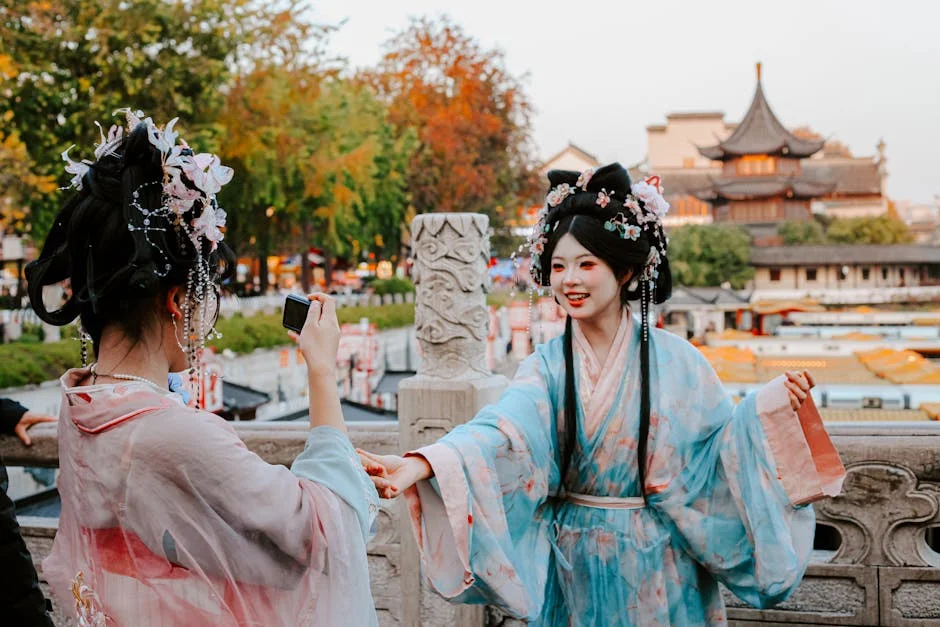
Chinese idioms about beauty reveal profound cultural values about aesthetics, virtue, and the relationship between inner and outer beauty. This comprehensive guide explores traditional chinese idioms about beauty, their historical origins, and their relevance in modern contexts.
Understanding Chinese Beauty Idioms
Chinese culture has developed a rich vocabulary of idioms that describe beauty in its many forms. Unlike Western concepts that often focus solely on physical appearance, chinese idioms about beauty frequently emphasize the harmony between external appearance and internal character.
These idioms serve multiple purposes in Chinese language and culture:
- Literary Expression: Poets and writers use beauty idioms to create vivid imagery
- Cultural Values: Idioms reflect what Chinese society considers truly beautiful
- Moral Teaching: Many beauty idioms contain lessons about character and virtue
- Social Commentary: Some idioms critique superficial beauty or vanity
Classic Chinese Idioms About Physical Beauty
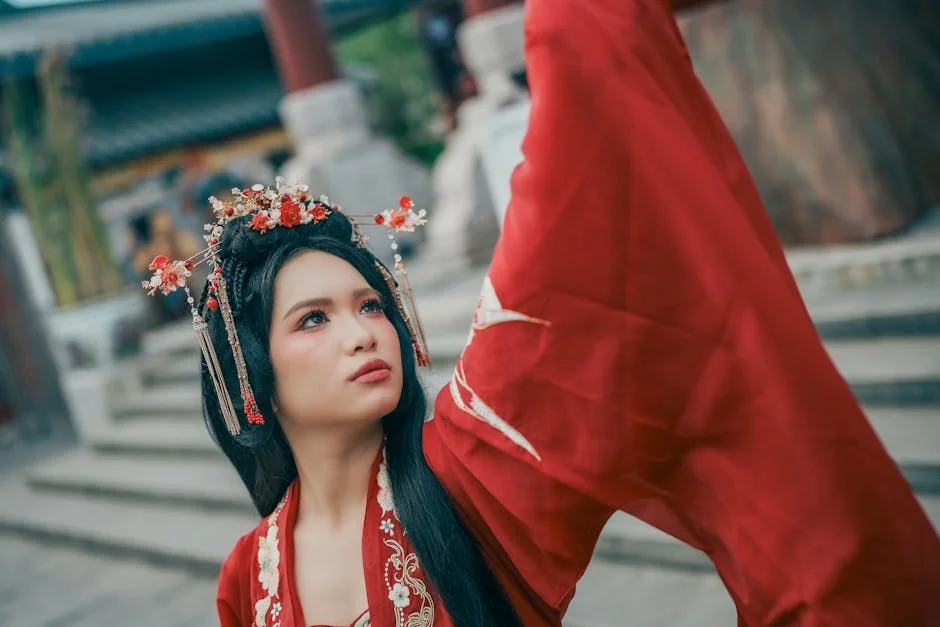
Traditional chinese idioms about beauty often use natural imagery and historical references to describe physical attractiveness.
1. Sinking Fish, Falling Geese (沉鱼落雁)
This idiom describes a woman so beautiful that fish forget to swim and sink, while geese forget to fly and fall from the sky. It originates from stories about Xi Shi, one of the Four Beauties of ancient China. When she looked at her reflection in the water, fish were so captivated they forgot to swim.
Usage: Reserved for describing extraordinary feminine beauty that captivates all who see it.
2. Closing Moon, Shaming Flowers (闭月羞花)
This phrase suggests beauty so stunning that the moon hides behind clouds in embarrassment and flowers feel ashamed of their own appearance. The “closing moon” refers to Diaochan, another of the Four Beauties, whose beauty was said to eclipse the moon itself.
Cultural Significance: Represents the pinnacle of feminine beauty in classical Chinese aesthetics.
3. Jade-Like Beauty (冰清玉洁)
Literally meaning “ice-clear and jade-pure,” this idiom describes someone whose beauty is pure, unblemished, and refined. The comparison to jade emphasizes not just physical beauty but also moral purity and noble character.
Modern Application: Often used to describe someone with both physical attractiveness and impeccable character.
4. Bright Eyes and White Teeth (明眸皓齿)
This straightforward idiom focuses on specific facial features considered beautiful in Chinese culture: sparkling, expressive eyes and white, even teeth. It appears frequently in classical poetry and literature.
Literary Context: Common in Tang and Song dynasty poetry describing beautiful women.
5. Willow Eyebrows and Almond Eyes (柳眉杏眼)
This idiom describes the ideal shape of feminine facial features: eyebrows curved like willow leaves and eyes shaped like almonds. These specific features have been considered beautiful in Chinese culture for centuries.
Aesthetic Standard: Reflects traditional Chinese beauty ideals that persist in modern times.
Idioms About Inner Beauty and Character
Many chinese idioms about beauty emphasize that true beauty comes from within, reflecting Confucian values about virtue and character.
6. Orchid Heart and Musk Nature (兰心蕙质)
This elegant idiom compares a person’s inner nature to fragrant orchids and musk, suggesting that true beauty emanates from a refined and virtuous character. The orchid has long symbolized nobility and elegance in Chinese culture.
Philosophical Meaning: Inner cultivation creates an aura of beauty that surpasses physical appearance.
7. Talented Woman with Virtue (才貌双全)
Literally “talent and appearance both complete,” this idiom describes someone who possesses both physical beauty and intellectual or artistic abilities. It represents the ideal combination of outer and inner qualities.
Educational Value: Encourages developing both appearance and abilities rather than focusing on looks alone.
8. Graceful Bearing (仪态万方)
This phrase describes someone whose beauty comes from their elegant demeanor, graceful movements, and refined manners. It emphasizes that how one carries oneself contributes significantly to overall attractiveness.
Social Context: Reflects the importance of etiquette and deportment in Chinese culture.
Cautionary Idioms About Beauty
Chinese wisdom also includes chinese idioms about beauty that warn against vanity or superficial attraction.
9. Embroidered Pillow (绣花枕头)
This idiom literally refers to a beautifully embroidered pillow that is stuffed with straw—attractive on the outside but worthless inside. It criticizes people who have good looks but lack substance, intelligence, or character.
Moral Lesson: External beauty without inner worth is ultimately disappointing and deceptive.
10. Red Pink Skeleton (红粉骷髅)
This stark idiom reminds us that physical beauty is temporary and superficial. Beneath beautiful makeup and youthful skin lies the same skeleton that all humans share. It reflects Buddhist philosophy about the impermanence of physical form.
Philosophical Context: Encourages looking beyond surface appearances to deeper truths.
11. Beauty Brings Disaster (红颜祸水)
This controversial idiom suggests that beautiful women can bring misfortune or disaster, often by distracting powerful men from their duties. While problematic from a modern perspective, it appears frequently in historical texts.
Historical Examples: Often cited in stories about dynasties that fell due to rulers’ obsession with beautiful consorts.
Nature-Inspired Beauty Idioms
Chinese culture frequently uses natural imagery in chinese idioms about beauty, reflecting the deep connection between aesthetics and the natural world.
12. Like Flowers and Jade (如花似玉)
This idiom compares a person’s beauty to flowers and jade, two of the most prized beautiful objects in Chinese culture. Flowers represent delicate, natural beauty, while jade symbolizes refined, lasting value.
Poetic Usage: Common in classical poetry and romantic literature.
13. Lotus Emerging from Water (出水芙蓉)
This beautiful phrase describes someone whose beauty is fresh, natural, and pure, like a lotus flower rising from the water. The lotus is particularly significant in Chinese culture as a symbol of purity emerging from muddy waters.
Symbolic Meaning: Represents natural beauty untainted by artifice or pretension.
14. Peach Blossom Face (桃花面)
This idiom describes a face with the fresh, rosy complexion of peach blossoms in spring. It suggests youthful beauty, health, and vitality.
Seasonal Association: Connects human beauty with the renewal and freshness of spring.
Historical Context of Chinese Beauty Standards
Understanding chinese idioms about beauty requires knowledge of how beauty standards evolved throughout Chinese history.
Tang Dynasty (618-907 CE): Favored fuller figures and round faces, as seen in paintings and sculptures from this period. The famous beauty Yang Guifei exemplified this aesthetic.
Song Dynasty (960-1279 CE): Preferred more delicate, refined beauty. Foot binding became widespread during this period, reflecting changing beauty ideals.
Ming and Qing Dynasties (1368-1912 CE): Emphasized pale skin, small features, and graceful deportment. Many beauty idioms still in use today originated during these periods.
Modern Era: Contemporary Chinese beauty standards blend traditional values with global influences, though many classical beauty idioms remain relevant.
Gender and Beauty Idioms
While most traditional chinese idioms about beauty describe feminine beauty, Chinese language also includes expressions for masculine attractiveness.
15. Jade Tree Facing Wind (玉树临风)
This idiom describes a handsome man with an elegant, refined appearance and dignified bearing. The image of a jade tree standing gracefully in the wind suggests both physical attractiveness and noble character.
Masculine Ideal: Emphasizes dignity and refinement over raw physical power.
16. Talented Scholar and Beautiful Lady (才子佳人)
This phrase describes the ideal romantic pairing in classical Chinese literature: a talented, educated man and a beautiful, virtuous woman. It appears in countless traditional stories and operas.
Literary Tradition: Central to Chinese romantic narratives for centuries.
Using Beauty Idioms in Modern Chinese
Contemporary speakers use chinese idioms about beauty in various contexts, though some traditional expressions have evolved in meaning or usage.
Compliments: Idioms like “如花似玉” (like flowers and jade) remain popular for praising someone’s appearance, though they may sound formal or literary in casual conversation.
Literature and Media: Historical dramas, novels, and poetry frequently employ classical beauty idioms to create authentic period atmosphere.
Social Commentary: Cautionary idioms like “绣花枕头” (embroidered pillow) are used to critique superficiality in modern contexts, from social media culture to celebrity worship.
Education: Teachers use beauty idioms to help students understand traditional values and literary references.
Cultural Values Reflected in Beauty Idioms
The rich collection of chinese idioms about beauty reveals core Chinese cultural values that persist across centuries.
Harmony of Inner and Outer: The emphasis on combining physical beauty with virtue reflects Confucian ideals about the unity of appearance and character.
Natural Beauty: Frequent references to flowers, jade, and natural phenomena suggest that true beauty aligns with nature rather than fighting against it.
Impermanence: Buddhist-influenced idioms remind us that physical beauty is temporary, encouraging focus on lasting qualities.
Moral Dimension: Many idioms suggest that beauty carries moral implications—it can inspire virtue or lead to disaster depending on how it is cultivated and used.
Learning Beauty Idioms for Chinese Language Students
For students learning Chinese, mastering chinese idioms about beauty provides valuable cultural and linguistic benefits.
Cultural Competence: Understanding these idioms helps students grasp Chinese aesthetic values and historical references that appear throughout literature and conversation.
Literary Appreciation: Classical Chinese poetry and prose are filled with beauty idioms. Recognizing them enhances comprehension and enjoyment of literary texts.
Expressive Ability: Using appropriate beauty idioms allows students to express themselves more elegantly and authentically in Chinese.
Historical Insight: Each idiom carries historical and cultural context that illuminates Chinese civilization’s development.
Comparing Chinese and Western Beauty Concepts
Examining chinese idioms about beauty alongside Western expressions reveals interesting cultural differences and similarities.
Holistic vs. Fragmented: Chinese idioms often describe beauty as a complete harmony of features and character, while Western expressions may focus on individual features.
Nature Imagery: Both cultures use natural metaphors, but Chinese idioms particularly favor flowers, jade, and seasonal imagery.
Moral Dimension: Chinese beauty idioms more frequently incorporate moral judgments and character assessments than typical Western beauty expressions.
Historical Specificity: Many Chinese beauty idioms reference specific historical figures, while Western expressions tend toward more general metaphors.
Frequently Asked Questions

What is the most famous Chinese idiom about beauty?
“沉鱼落雁,闭月羞花” (sinking fish, falling geese, closing moon, shaming flowers) is perhaps the most famous, describing the Four Beauties of ancient China whose appearance was so stunning it affected nature itself. This eight-character phrase represents the ultimate expression of feminine beauty in Chinese culture.
Do Chinese beauty idioms only describe women?
While most traditional chinese idioms about beauty focus on feminine beauty, Chinese language includes idioms for masculine attractiveness like “玉树临风” (jade tree facing wind). However, the cultural emphasis on female beauty in classical literature means feminine beauty idioms are more numerous and varied.
Are these beauty idioms still used in modern Chinese?
Yes, many classical beauty idioms remain in active use, especially in formal writing, literature, and media. Some have evolved in meaning or usage, and younger speakers may use them more playfully or ironically than previous generations. They appear frequently in historical dramas, novels, and poetry.
What do Chinese beauty idioms teach about cultural values?
These idioms reveal that Chinese culture values the harmony between inner character and outer appearance, emphasizes natural beauty over artificial enhancement, recognizes the temporary nature of physical beauty, and sees moral dimensions in aesthetic judgments. They reflect Confucian, Daoist, and Buddhist philosophical influences.
How can I use beauty idioms appropriately in Chinese?
Context matters greatly. Some idioms like “如花似玉” work well as compliments in formal settings but may sound overly literary in casual conversation. Cautionary idioms like “绣花枕头” should be used carefully as they can be insulting. Study how native speakers use these expressions in different contexts before employing them yourself.
Why do many Chinese beauty idioms reference jade?
Jade holds special significance in Chinese culture as a symbol of purity, virtue, and refined beauty. Its smooth texture, subtle colors, and lasting value make it an ideal metaphor for beauty that combines physical attractiveness with moral worth. Jade appears in chinese idioms about beauty more than any other material.
Conclusion: The Enduring Wisdom of Beauty Idioms
Chinese idioms about beauty offer far more than simple descriptions of physical attractiveness. They represent thousands of years of cultural wisdom about aesthetics, virtue, and the human condition. These expressions remind us that true beauty harmonizes outer appearance with inner character, aligns with nature rather than fighting it, and carries moral implications that extend beyond mere physical form.
For language learners, understanding chinese idioms about beauty opens doors to deeper cultural comprehension and literary appreciation. For anyone interested in Chinese culture, these idioms reveal core values about what makes something or someone truly beautiful—lessons that remain relevant across time and cultures.
The rich variety of beauty idioms in Chinese—from celebratory expressions like “闭月羞花” to cautionary phrases like “红粉骷髅”—demonstrates the sophistication of Chinese aesthetic philosophy. By studying these idioms, we gain insight not just into Chinese language but into a civilization’s evolving understanding of beauty, virtue, and human nature.
Whether you are learning Chinese, studying Chinese culture, or simply interested in how different societies conceptualize beauty, exploring chinese idioms about beauty provides valuable perspectives that enrich our understanding of both language and life.
For more comprehensive information about Chinese linguistic traditions, visit the Chinese idiom Wikipedia page.