If you’ve ever asked what are some idioms with the character ‘ 羊’, you’re about to discover a charming collection of classic Chinese idioms that feature this gentle animal. This guide breaks down the most popular ones, their stories, meanings, and how to use them in daily life.
what are some idioms with the character ‘ 羊 ‘? A Quick Overview
The character 羊 (yáng) means “sheep” or “goat” in Chinese, and it appears in many well-known idioms that carry deep cultural and moral lessons. These idioms are widely used in both spoken and written Chinese, making them perfect for learners and story lovers alike.
Top 5 Idioms with the Character ‘ 羊 ‘ (With Stories & Meanings)
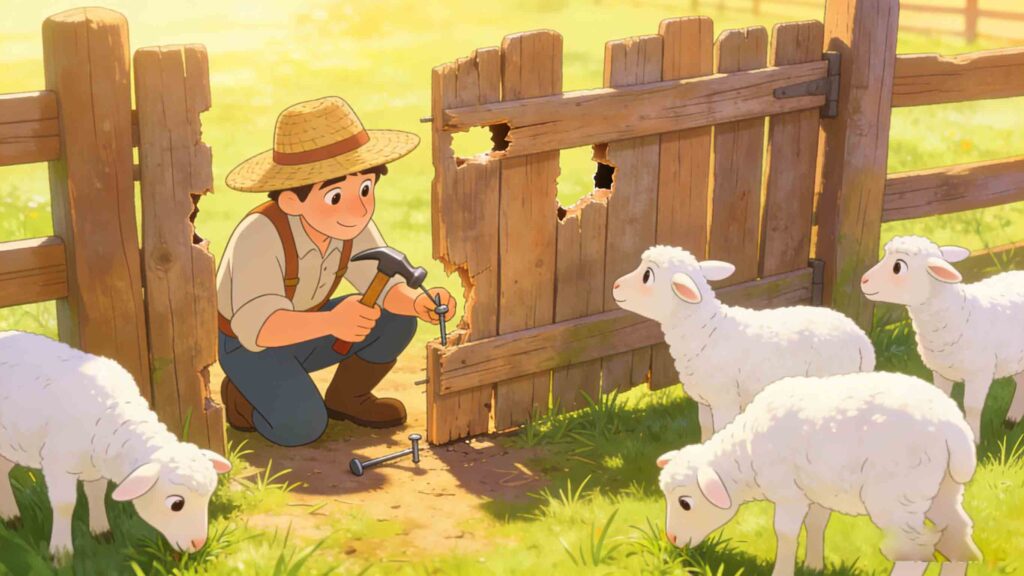
1. 亡羊补牢 (Wáng Yáng Bǔ Láo)
- Meaning: It’s never too late to fix a mistake; to mend the pen after the sheep are lost
- Story: A farmer’s sheep pen broke, and several sheep ran away. His neighbor told him to repair the pen right away, but he ignored the advice. When more sheep escaped, he finally fixed the pen and stopped further losses.
- Usage: Use this when someone needs encouragement to correct a past error.Example: “You failed the test, but 亡羊补牢—start studying now and you’ll do better next time.”
2. 顺手牵羊 (Shùn Shǒu Qiān Yáng)
- Meaning: To steal something casually or take advantage of a small opportunity
- Origin: From ancient stories of people who would steal a sheep while passing by a farm, without planning the theft in advance.
- Usage: Describes petty theft or taking something without permission.Example: “He took the pen from the desk, a classic case of 顺手牵羊.”
3. 歧路亡羊 (Qí Lù Wáng Yáng)
- Meaning: To get lost in many choices; to be distracted by too many options and fail to reach a goal
- Story: A scholar’s sheep ran away, and his students searched for it but got lost on the many crossroads. The scholar explained that too many choices can lead to failure.
- Usage: Warns against spreading oneself too thin.Example: “Don’t try to learn too many skills at once—you’ll end up like 歧路亡羊.”
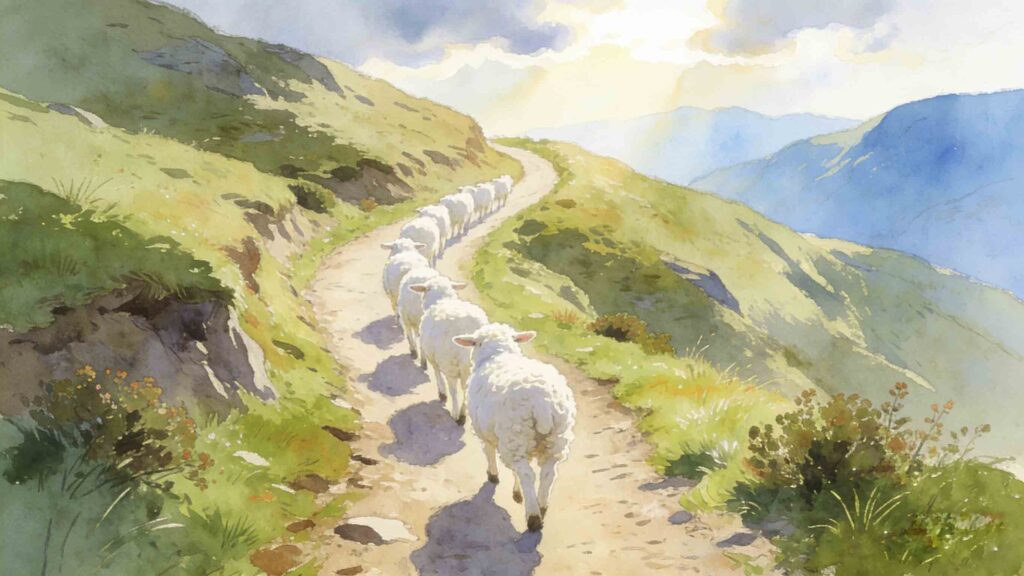
4. 羊肠小道 (Yáng Cháng Xiǎo Dào)
- Meaning: A narrow, winding path (like the intestines of a sheep)
- Usage: Describes small, winding roads or difficult paths.Example: “We hiked along a 羊肠小道 through the mountains.”
5. 替罪羊 (Tì Zuì Yáng)
- Meaning: A scapegoat; someone who takes the blame for others
- Origin: From ancient rituals where a sheep was sacrificed to atone for the community’s sins.
- Usage: Refers to someone unfairly blamed.Example: “He was made a 替罪羊 for the team’s mistake.”
How to Use Idioms with the Character ‘ 羊 ‘ in Daily Life
These idioms are perfect for teaching children about Chinese culture and moral values. They are short, easy to remember, and come with vivid stories that make learning fun. Whether you’re a parent, teacher, or language learner, incorporating these idioms with the character ‘ 羊’ into daily conversation is a great way to build vocabulary and cultural awareness.
Conclusion
Answering the question what are some idioms with the character ‘ 羊’ reveals a world of wisdom and storytelling. These idioms are more than just phrases—they are windows into Chinese culture, teaching lessons about responsibility, focus, and resilience.
If you want to share more engaging idiom stories with your kids, check out my 15 Children’s Chinese Idiom Stories Pack! It includes beautifully illustrated stories, simple explanations, and fun activities to make learning Chinese idioms a joy for young learners. Perfect for bedtime reading, classroom lessons, or family bonding—your kids will love exploring the world of Chinese idioms one story at a time.
Get the 15 Children’s Idiom Stories Pack now
Learn more about Chinese idioms at [Chinese Idioms Dictionary]