If you’ve ever asked What are Chinese idioms, you’re not alone. These concise, culturally rich phrases are a cornerstone of the Chinese language. They carry thousands of years of history and wisdom. This guide will break down their meaning, origins, and examples.
What Are Chinese Idioms?
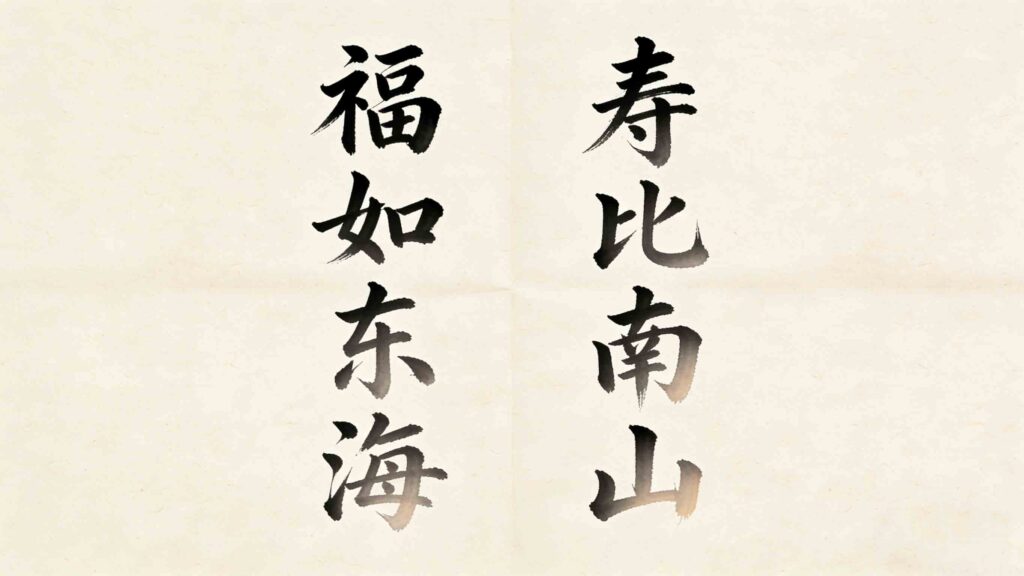
These concise phrases, known as chengyu, are mostly four-character fixed expressions. Unlike casual slang, they have deep metaphorical meanings. They come from ancient myths, fables, historical events, and classic literature. Every idiom tells a story that reflects Chinese values and traditions. This structure makes them unique in the world of languages.
The History Behind What Are Chinese Idioms
The roots of Chinese idioms stretch back over 2,500 years. Early idioms appeared in Confucian texts, historical records, and poetic works. They were used to simplify complex ideas and teach moral lessons. Over time, these phrases became standardized. They passed from generation to generation, keeping old stories alive. Today, they are still used in daily speech, writing, and media.
Common Examples of Chinese Idioms

Let’s look at some well-known idioms to understand their power:
- Sai Weng Shi Ma (The old man lost his horse): Teaches that misfortune can lead to good luck.
- Hua She Tian Zu (Draw a snake and add feet): Warns against unnecessary actions that ruin a good thing.
- Shou Zhu Dai Tu (Wait by the tree for a rabbit): Criticizes relying on luck instead of effort.
Each idiom is a tiny window into Chinese culture. They make language more vivid and expressive.
Why Chinese Idioms Matter
When you ask What are Chinese idioms, you’re exploring more than just words. These phrases connect modern speakers to ancient China. For language learners, mastering idioms improves fluency and cultural literacy. They add color to conversations and writing. Even native speakers use them to convey nuance that simple words cannot.
How to Learn Chinese Idioms
If you want to start learning after answering these Chinese idioms, follow these tips:
- Start with the 100 most common idioms. They appear in 90% of daily use.
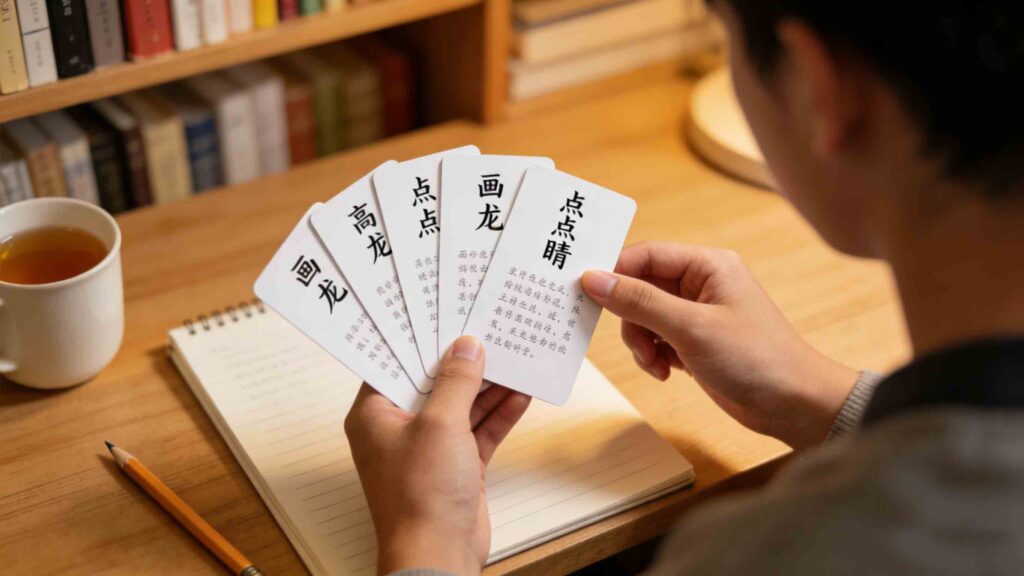
- Learn the story behind each idiom. Stories make meanings easier to remember.
- Practice using idioms in sentences. This helps avoid mistakes in context.
You don’t need to learn thousands of idioms to speak well. Even a small set will make your Chinese more authentic.
Final Thoughts on What Are Chinese Idioms
In the end, What are Chinese idioms is a question that leads to a deeper understanding of Chinese culture. These phrases are more than just language tools. They are a living legacy of stories and wisdom. Whether you’re a learner or a curious reader, exploring Chinese idioms is a journey into the heart of China.
Related Resources
- [15 Children’s Chinese Idiom Story Resource Packs]
- [10 Animal-themed Chinese Idiom Story Resource Packs]
- Chinese Idiom – Wikipedia