If you’ve ever wondered what does the story of 杞人忧天 mean, you’re about to uncover one of China’s most beloved idioms about unnecessary worry. This guide breaks down the full fable, its core moral, and how to use it in modern English and Chinese contexts.
What Is Does the Story of 杞人忧天 Mean? An Overview
杞人忧天 is a classic four-character Chinese idiom (chengyu) that directly translates to “the man of Qi worrying about the sky.” It describes people who waste energy on unrealistic fears, imaginary dangers, or pointless anxieties—the kind of worries that will never actually come true.
The Full Story Behind 杞人忧天
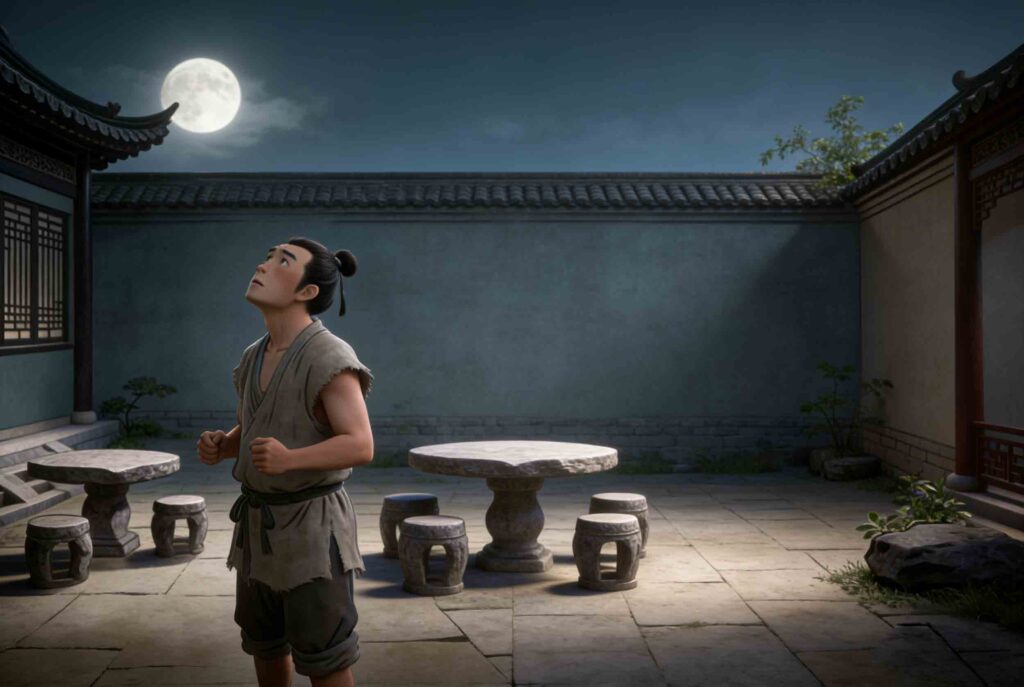
Long ago in the ancient State of Qi, there lived a man who was plagued by constant, irrational fear. He lay awake at night, consumed by thoughts:
- What if the sky suddenly collapses and crushes me?
- What if the earth splits open and swallows me whole?
- Where will I go if the world as I know it ends?
His anxiety was so severe that he lost his appetite and could not sleep. A kind friend, seeing his distress, went to comfort him:
“The sky is just a vast expanse of air—you move through it every day, so it can never fall. The earth is solid rock and soil, holding up mountains and rivers, so it will never break. There is no need to fear these impossible things.”
After hearing this simple truth, the man finally let go of his worries and returned to a peaceful life. This story was passed down through generations and became the idiom 杞人忧天.
What Does the Story of 杞人忧天 Mean? Full Explanation
The moral of this idiom is clear and timeless:
- Do not waste time or energy on fears that are unlikely to happen
- Do not let imaginary dangers ruin your peace of mind
- Focus on real, solvable problems instead of hypothetical catastrophes
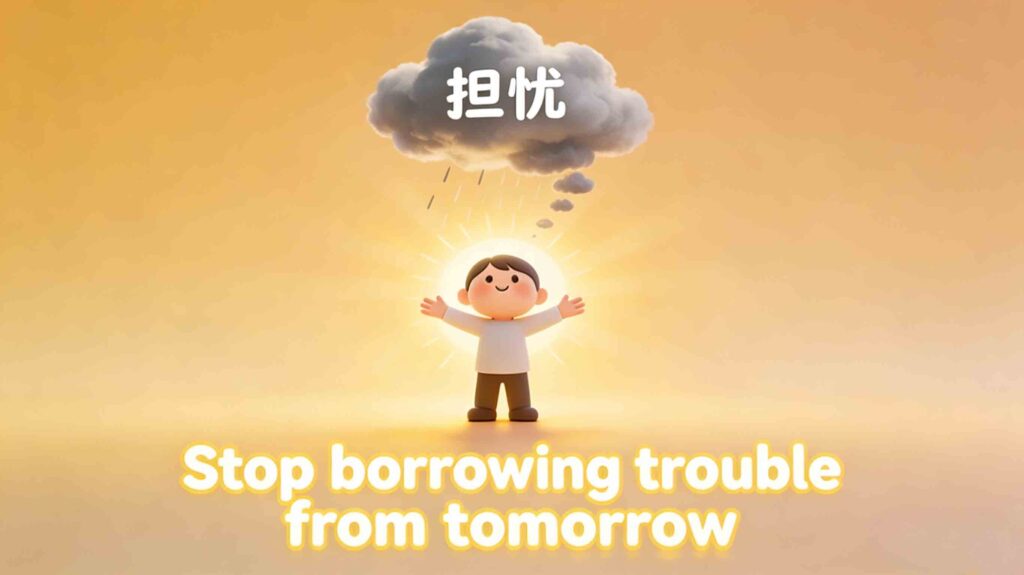
In short, it’s a gentle reminder to stop borrowing trouble from tomorrow and live in the present.
How to Use 杞人忧天 in Daily Life
You can use this idiom when someone is overthinking small issues or panicking about the future:
- “Stop being like the man in 杞人忧天—the rain won’t ruin our picnic.”
- “Don’t let 杞人忧天 stop you from chasing your goals; most of your fears are just in your head.”
- “Her constant worry about job loss is pure 杞人忧天—her company is doing very well.”
Conclusion
Understanding what does the story of 杞人忧天 mean gives you a powerful tool to describe unnecessary anxiety in both Chinese and English. This ancient fable teaches us to stay grounded, focus on what we can control, and let go of the fears that hold us back.
Want to master more classic Chinese idioms? Get our Complete Chinese Idiom Learning Pack—with full stories, meanings, and practice examples to boost your language skills.
Get the Idiom Learning Pack now
For more background on Chinese idioms, visit the Chinese idioms entry on Wikipedia.