Learning Chinese idioms doesn’t have to be boring. Chinese idioms comics and games for students turn dry vocabulary into playful, memorable experiences. Kids laugh, create, and compete—all while mastering classic chengyu.
Chinese Idioms Comics and Games for Students: Why They Work
- Comics use visuals and short stories. Students connect idioms to funny scenes, not just words.
- Games make practice active. Kids forget they’re studying—they just want to win.
- Both build context. Students see how idioms fit real conversations, not just textbooks.
This mix of fun and focus helps young learners remember idioms long after class ends.
Chinese Idiom Comics and Games for Students: Fun Activities

Comics turn old stories into lively, easy-to-follow panels. Here are popular ideas:
- Story-based comicsDraw a 4-panel comic for a classic idiom, like Zou Ma Guan Hua (Gazing at Flowers on Horseback). Show a character rushing past beautiful scenery, then realizing they missed the details. Speech bubbles keep dialogue simple.
- Modern twist comicsPut idioms into school life. For example, Yi Mu Liao Ran (Clear at a Glance) could show a messy desk vs. a tidy one, with a student saying, “Your notes are yi mu liao ran!”
- Student-created comicsLet kids draw their own. Give them an idiom, and watch them make silly, personal stories. Ownership makes learning stick.
Chinese Idioms Comics and Games for Students: Engaging Games
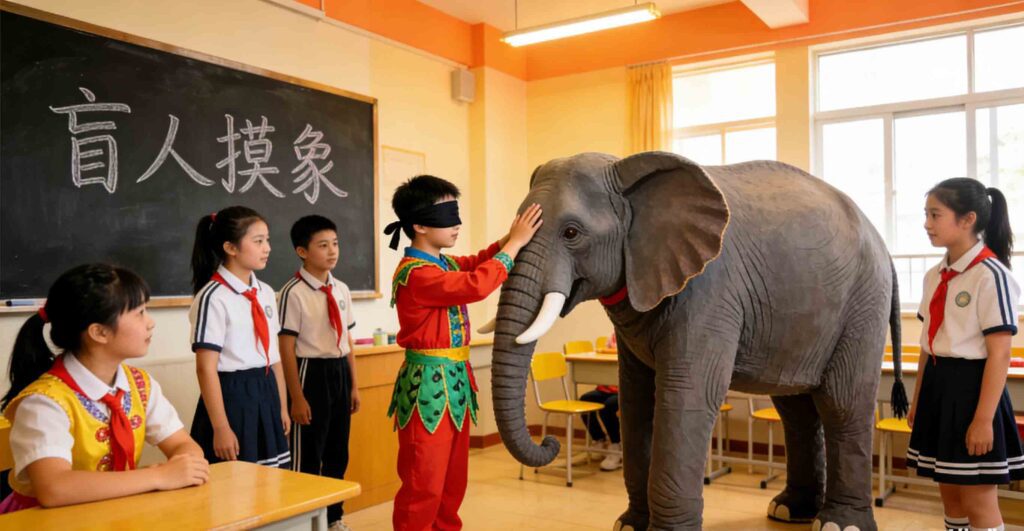
Games turn review into competition. Try these in class or at home:
- Idiom CharadesOne student acts out an idiom (like Shou Zhu Dai Tu—Waiting for Rabbits by a Stump). Others guess the phrase. No talking—just gestures! It’s great for kinesthetic learners.
- Idiom PictionaryDraw the idiom’s story, not the words. For Jing Gong Zhi Niao (Bird Frightened by Bowstrings), sketch a bird and a bow. Teams race to guess the phrase.
- Idiom Matching Card GameMake cards: one side has the idiom, the other has its meaning or a small comic. Students flip cards to find pairs. It’s perfect for quick warm-ups.
- Idiom Story ChainStart a sentence with an idiom. Next student adds another idiom to continue the story. The silliest, most coherent story wins.
How to Use Comics & Games in Class or at Home
- Classroom: Use 10-minute game warm-ups. Assign comic strips as homework to reinforce lessons.
- Homeschool: Combine a short comic with a quick game each day. Keep sessions short—15–20 minutes works best.
- After-school clubs: Host “Idiom Game Nights” with tournaments. Offer small prizes for the most creative comic or best game winner.
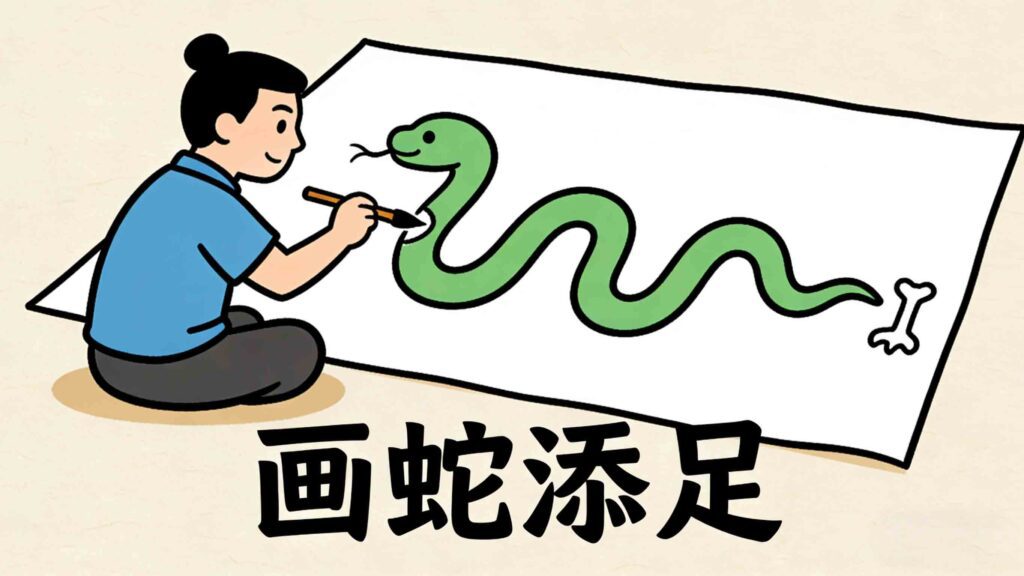
Benefits Beyond Memorization
- Creativity: Comics and games let students express themselves through art and play.
- Collaboration: Team games teach listening and teamwork.
- Cultural understanding: Idioms carry Chinese history and values. Stories in comics make these values relatable.
Final Thoughts
Chinese idioms comics and games for students are more than just fun—they’re powerful learning tools. They turn memorization into play, helping kids love Chinese language and culture.
Next time you teach an idiom, skip the worksheet. Grab some paper for a comic, or start a game of charades. You’ll see students light up—and remember the idioms better, too.
Explore our 15 Kids Chinese Idiom Stories Pack – illustrated tales to pair with comics and games.
Learn more about Yi Mu Liao Ran – a perfect idiom to turn into a simple comic for beginners.
For more language learning games: Fun Chinese Learning Activities for Kids